

How a deaf quarterback invented the huddle + Linguists explain the life of slang
Also this week: The world’s oldest written languages, and a cool new book on etymology. Here’s what happened this week in language and linguistics.

Welcome to this week’s edition of Discovery Dispatch, a weekly roundup of the latest language-related news, research in linguistics, interesting reads from the week, and newest books and other media dealing with language and linguistics!
It was a quiet week in linguisticsland, with no language-related events or new research in the news cycle, so this week’s issue is nice and succinct!
📢 Updates
Announcements and what’s new with me and Linguistic Discovery.
📸 Instagram @ 300,000
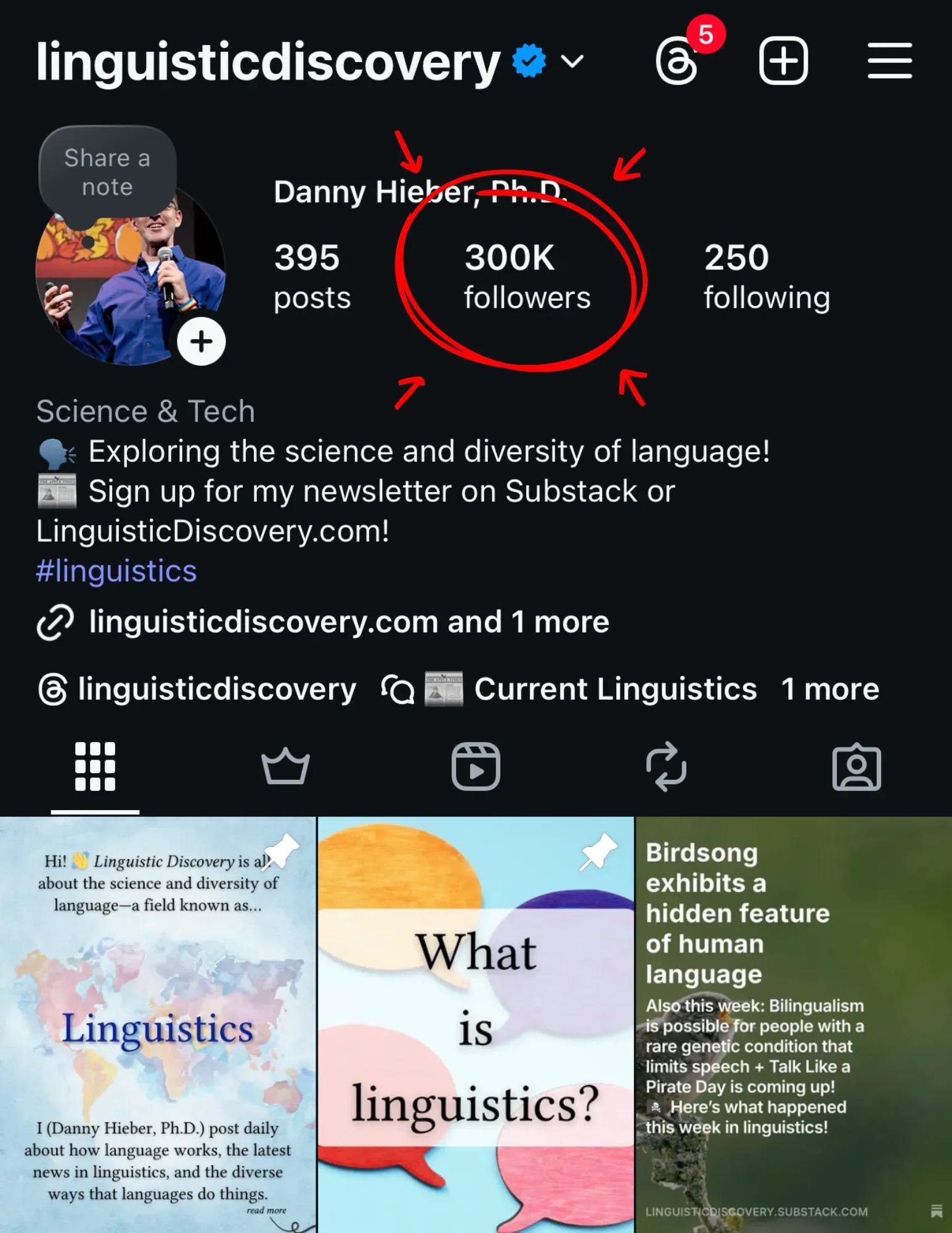
Linguistic Discovery’s Instagram account just reached 300,000 followers! Thank you so much to those of you who follow me there and are helping support my mission to educate the world about the science and diversity of language. You’re such a great community!
As a thank you, here’s a 50% discount on an annual subscription to the paid version of the Linguistic Discovery newsletter:
🆕 New from Linguistic Discovery
This week’s content from Linguistic Discovery.
The most frequent consonant in English—and the world’s languages
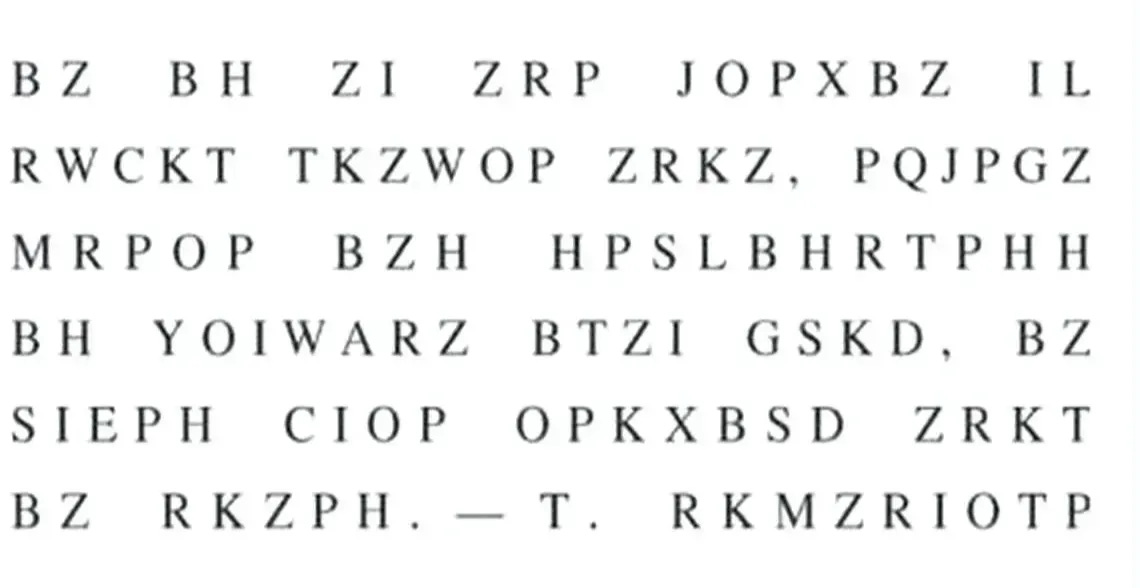
If you’ve spent much time solving cryptograms, you probably already know that ⟨t⟩ is the most frequently used letter in English. Given that, it’s reasonable to assume that /t/ would be the most frequent sound in English too.
So imagine my surprise earlier this week when, as I was reading the latest issue of Babel: The Language Magazine, I learned that the most frequent consonant in spoken English isn’t /t/ at all—it’s /n/!
What’s going on here? Why the discrepancy?
The fact that the relative frequency of ⟨t⟩ and /t/ differ immediately tells us something interesting: either a) many of the written ⟨t⟩s in English are not pronounced as /t/ (or are silent), or b) in speech we use more words with /n/ and fewer words with /t/ than we do in writing. So which is it?
In this special supporter-only bonus issue, we’ll look at the frequencies of sounds in English and discover a fascinating pattern about how they compare to sounds in the rest of the world’s languages.
Your cryptogram is lying to you—/t/ isn’t the most frequent sound in English

If you’ve spent much time solving cryptograms, you probably already know that ⟨t⟩ is the most frequently used letter in English. Given that, it’s reasonable to assume that /t/ would be the most frequent sound in English too.
Note that this post is for paid subscribers only. If you’d like to read it and are not yet a supporter, you can become one for just $5/month by clicking the button below.
📃 This Week’s Reads
Interesting articles I’ve come across this week.
What are the oldest written languages in the world? (Rosetta Stone)
Actually, AI is a ‘word calculator’—but not in the sense you might think (The Conversation)
Why do so many football coaches emphasize Southern accents? Linguistics experts explain (NYT)
Why do some slang words come and go quickly while others have staying power? Linguists explain (Upworthy)
How a deaf quarterback changed sports forever by inventing the huddle (Smithsonian Magazine)
Paul Hubbard first called for the football team at Gallaudet University to circle around him back in 1894!
📚 Books & Media
New (and old) books and media touching on language and linguistics.
Useless etymology: Offbeat word origins for curious minds
Jess Zafarris’ newest book, Useless etymology, hits shelves on October 7!

Jess is a fellow content creator (TikTok, Instagram), cohost of the wonderful Words unravelled podcast (YouTube, Spotify, Apple), and author of the books Words from hell: Unearthing the dark secrets of English etymology and Once upon a word: A word-origin dictionary for kids. Her writing is always fun, effervescent, and super accessible.
Jess kindly sent me an early review copy of Useless etymology, and it’s a absolute treat to read. She had been wanting to write this book for years, and the culmination of those years of rooting around in etymology (her pun, not mine) and cogitating about it really shows. The result is a book that is more than just a collection of assorted factoids (or factlets if you’re feeling pedantic); instead, it’s a fascinating look at the themes and lessons we can take from etymology.
I highly recommend procuring yourself a copy of the book at one of the links below:
Linguists explain slang trends through history
Here’s the video referenced above in which linguists Ben Zimmer and Nicole Holliday discuss the history of slang, and why some words have staying power (but most don’t).
IPA Wordle
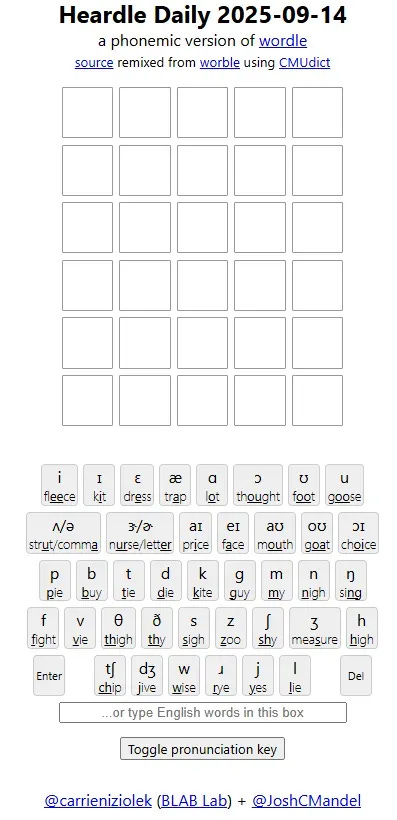
Did you know you can play Wordle in the International Phonetic Alphabet? It’s called Heardle!
Instead of guessing words using their spelling, you have to guess them using their pronunciations!
If you appreciate this weekly digest, consider becoming a supporter! You’ll get occasional bonus articles, and early access to articles as well as chapters of my book!
👋🏼 Til next week!
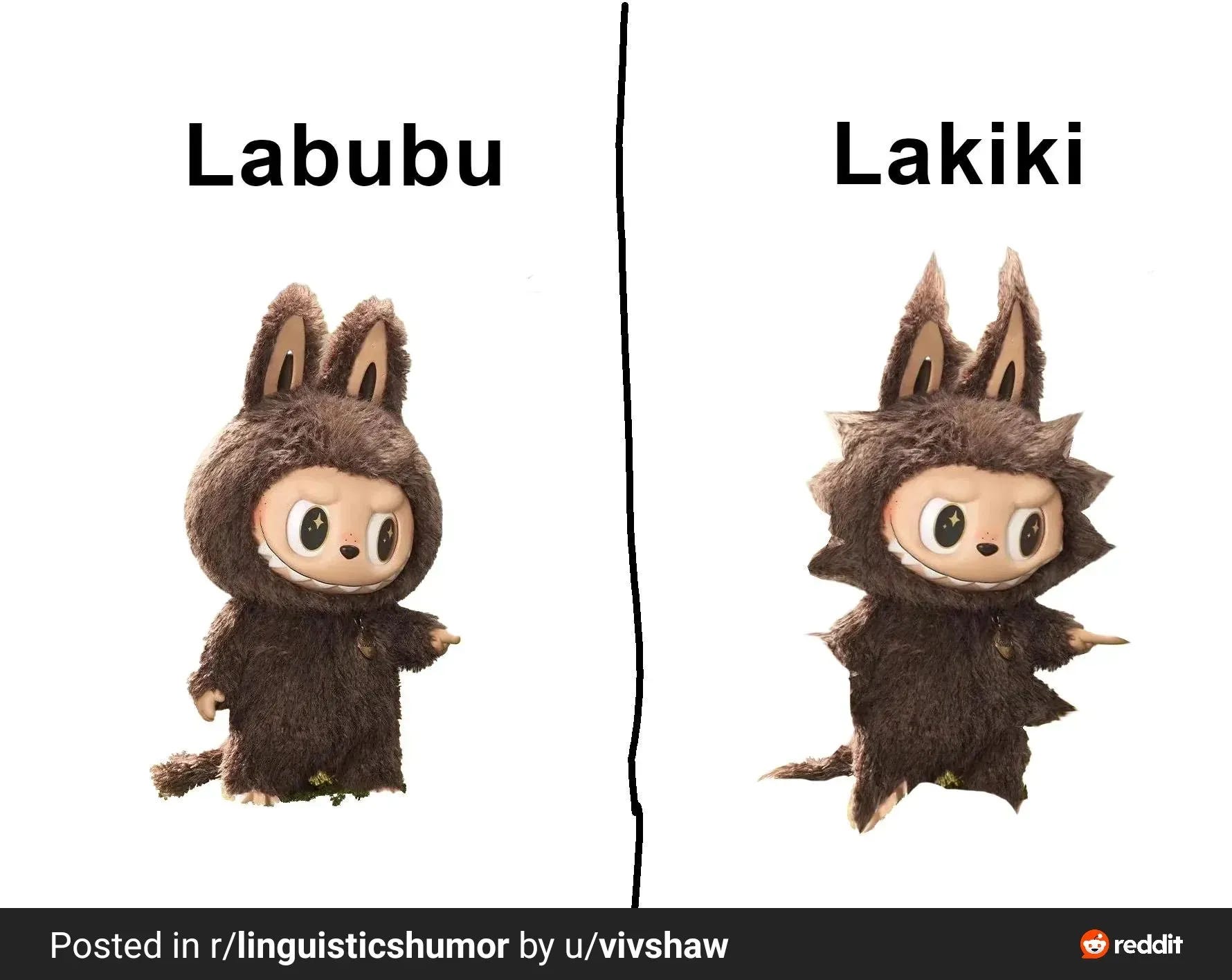
P.S. New linguistics experiment just dropped:
The Amazon and Bookshop.org links in this post are affiliate links, which means that I earn a small commission from those sellers for purchases made through them (at no extra cost to you).
If you’d like to support Linguistic Discovery, purchasing through these links is a great way to do so! I greatly appreciate your support!