

Swearing could give you a physical edge
Also this week: How the theory of the humors shaped English + New research uncovers the cerebellum’s crucial role in human language

Welcome to this week’s edition of Discovery Digest, a weekly roundup of the latest language-related news, research in linguistics, interesting reads from the week, and newest books and other media dealing with language and linguistics!
🆕 New from Linguistic Discovery
This week’s content from Linguistic Discovery.
Linguistic effects of the theory of the humors
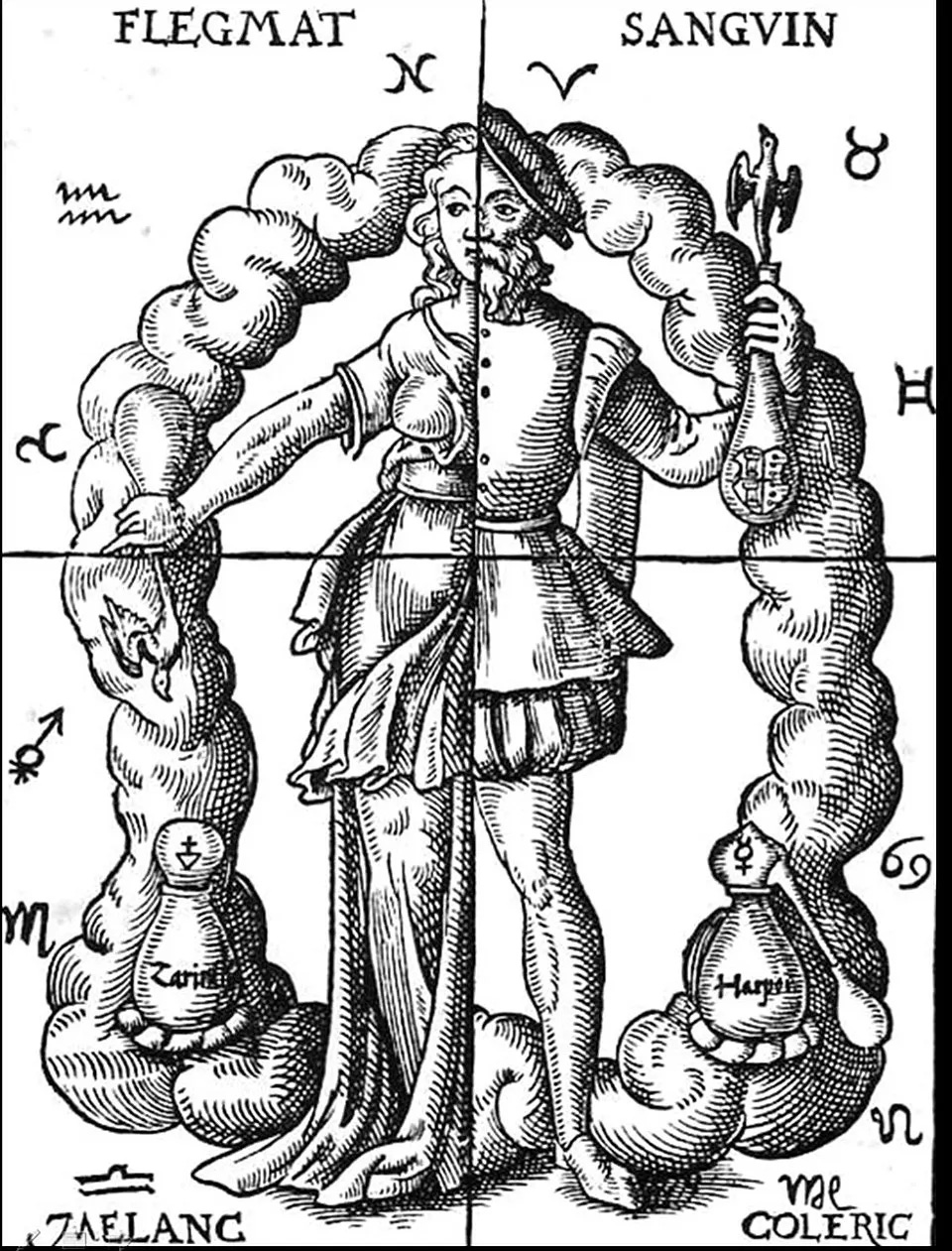
Until the 17th century most approaches to medicine relied on the theory of the humors, which explained various medical issues as imbalances in the amount of four bodily fluids: blood, phlegm, yellow bile, and black bile. As a result, humoric theory has had a pervasive (and rather sordid) influence on language as well:
I recently learned that sanguine, for example, came to mean ‘hopeful, optimistic’ instead of the original ‘blood-red’ (sanguine is cognate with Spanish sangre ‘blood’) because this attitude was thought to arise when there was too much blood in the body compared to the other humors.
Other humor-ous words that are based on some aspect of humoric theory include:
humor: originally ‘bodily fluids’, which need to be in balance to be in good humor
complexion: combination of humors
crude: producing unnatural humors
equate: make similar, balance or harmonize, in reference to humors
evacuate: expel humors from the body
evaporate: draw off humors as vapor
flux: abnormal flow of humors
gout: thought to be caused by drops of humors seeping into the joints
impulsive: pushing against the humors
melancholy: etymologically ‘black bile’
repercussion: act of driving back humors
repulsive: able to repel the humors
temperament: proportion of bodily humors
📰 In the News
Language and linguistics in the news.
🗞️ Current Linguistics
Recently published research in linguistics.
16 years of brain scans reveal the cerebellum’s crucial role in human language
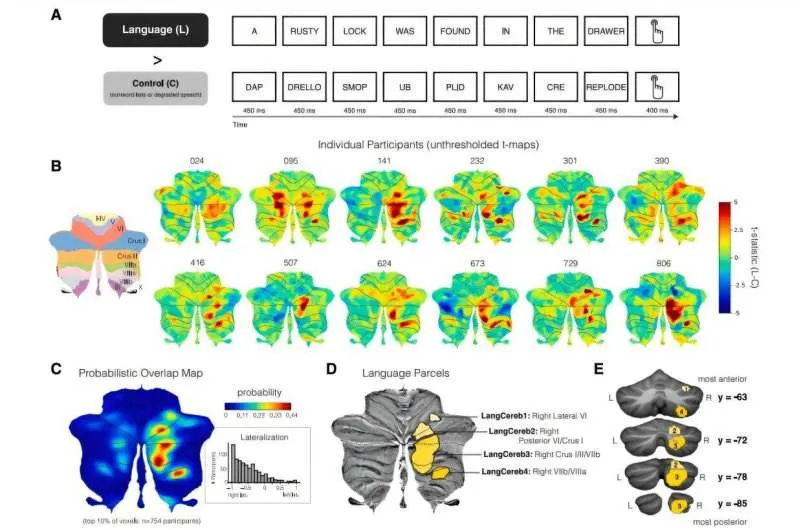
The cerebellum, often called the little brain, plays a much bigger role in language processing than once believed. Located at the base of the brain, the cerebellum has long been thought to be mainly responsible for motor response, balance, and basic coordination. A recent large-scale study analyzing brain scans from over 900 participants revealed a surprising new specialization within this region.
16 years of brain scans reveal the cerebellum’s crucial role in human language (Medical Xpress)
Casto et al. 2026. The cerebellar components of the human language network. Neuron. DOI: https://doi.org/10.1016/j.neuron.2025.12.030.
Swearing could give you a physical edge
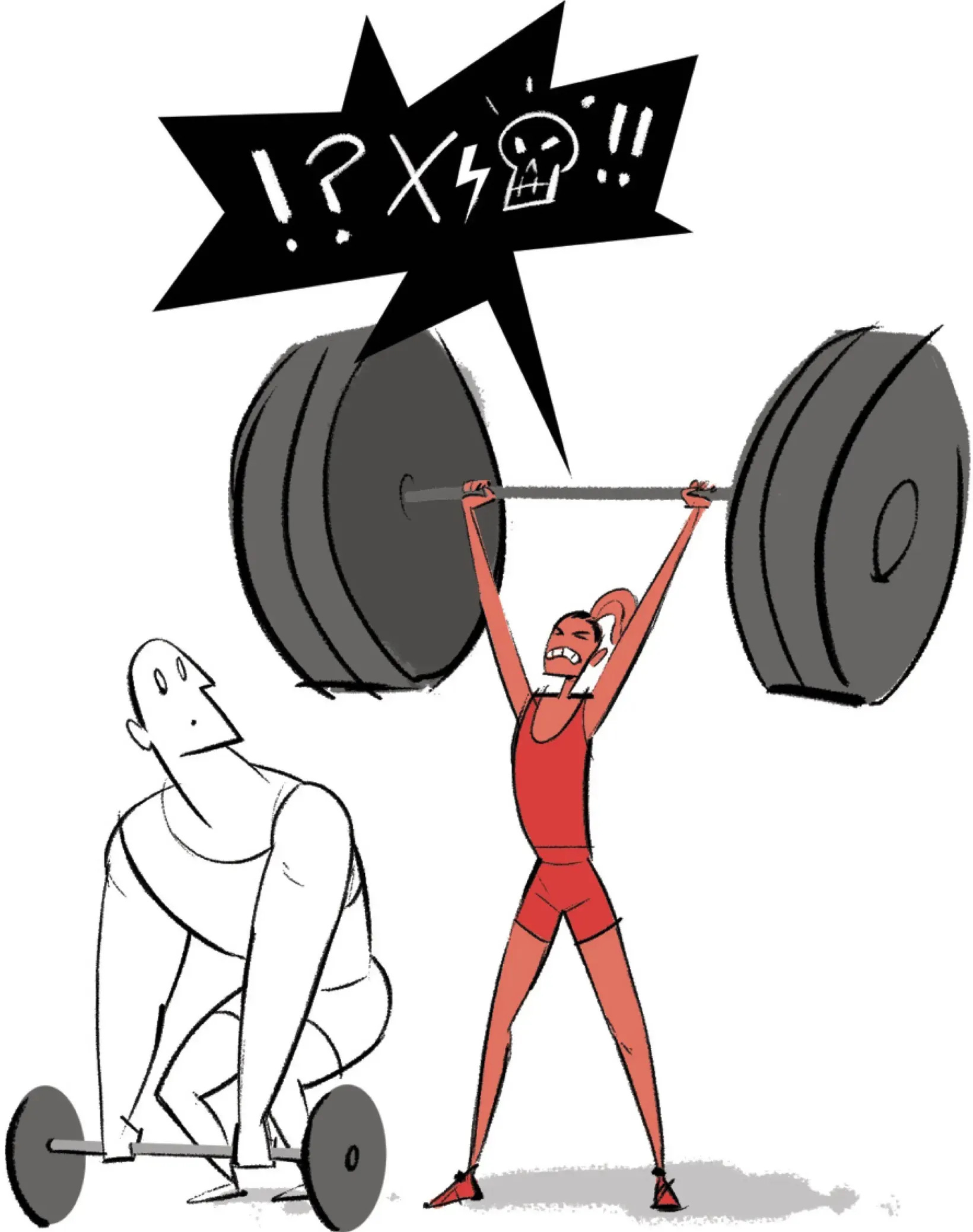
New research says that swearing can boost our physical performance, improving both strength and endurance. To determine this, the research team asked 192 participants to perform a chair push-up and hold (lifting their body weight from a seated position using only their arms). One group repeated a swear word while doing so, and the other repeated a neutral word. The results showed unequivocally that when people swore, they could support their body weight for longer. Dr. Richard Stephens, who led the research, believes this performance-enhancing effect stems from people feeling less held back when swearing.
Swearing could give you a physical edge, study finds (BBC Science Focus)
Stephens et al. 2025. “Don’t hold back”: swearing improves strength through state disinhibition. American Psychologist. DOI: https://doi.org/10.1037/amp0001650.
📃 This Week’s Reads
Interesting articles I’ve come across this week.
Cracking the Cretan code: Without a Rosetta Stone, can linguists decipher Minoan script? (Aeon)
The dead language tier list: What I learned studying 7 historical languages (Dead Language Society)

Humans may communicate with aliens in mathematical language, bees study suggests (Interesting Engineering)
Slanguage: How ‘6-7’ makes sense even though it means nothing (The Conversation)
What is the Latin alphabet? (Rosetta Stone)
📚 Books & Media
New (and old) books and media touching on language and linguistics.
Crystal’s Curiosity Cabinet
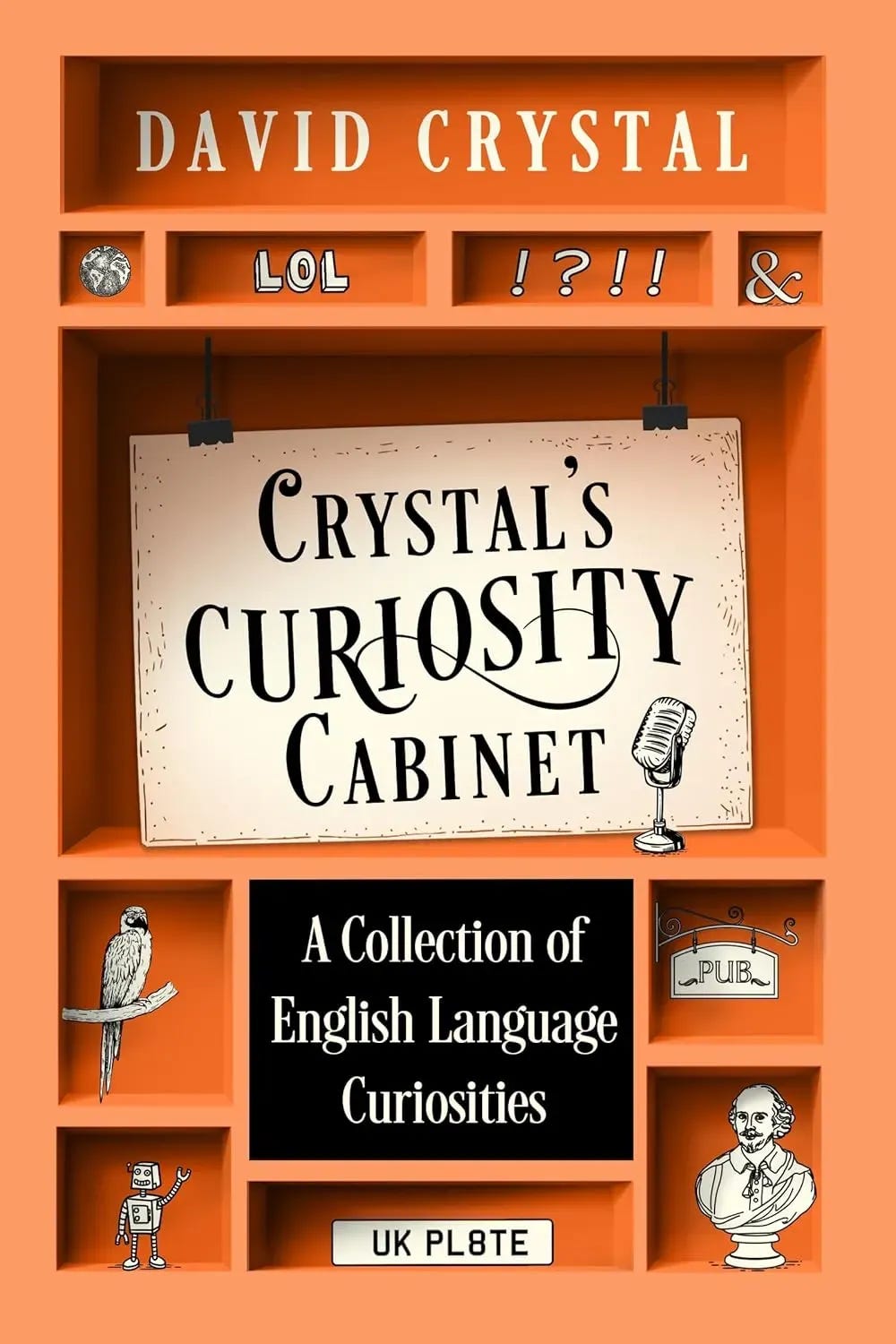
David Crystal, author of many popular language books, including How language works and The stories of English, has just released a new book, Crystal’s Curiosity Cabinet: A collection of English language curiosities (Amazon | Bookshop.org). Following in the tradition of the Victorian miscellany and cabinets of curiosities, the book is a set of observations on random, weird, and witty words and expressions that Crystal has collected over his many years working as a linguist.
👋🏼 Till next week!
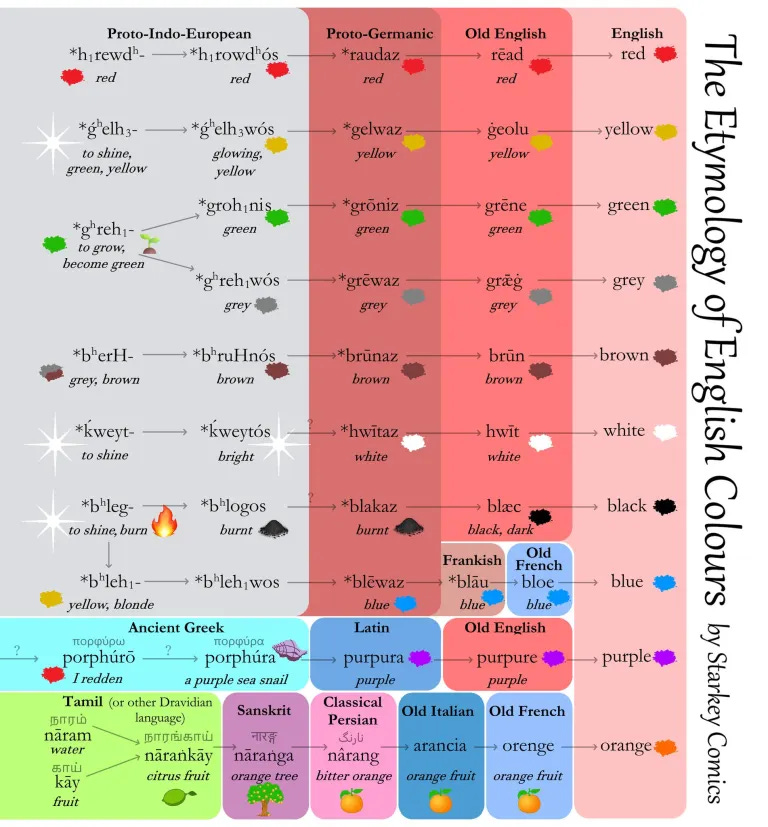
Here’s a wonderful etymological flowchart for each of the primary colors in English, from Starkey Comics. Read the entire blog post with more details here.
The Amazon and Bookshop.org links on this page are affiliate links, which means that I earn a small commission from Amazon for purchases made through them (at no extra cost to you).
If you’d like to support Linguistic Discovery, purchasing through these links is a great way to do so! I greatly appreciate your support!
I never lifted weights or did karate, but I"ve noticed that aging tends to open up a natural version of Hai! or Fuck! Grunting helps to lift the body off a chair. Without the grunt it's harder.