

Why your brain is faster at dismantling some words than others
Also this week: Mom defends decision to teach her kids French despite not being a native speaker + Why English isn’t actually decaying + Baby talk is good for your child, actually

Welcome to this week’s edition of Discovery Digest, a weekly roundup of the latest language-related news, research in linguistics, interesting reads from the week, and newest books and other media dealing with language and linguistics!
📢 Updates & Announcements
Announcements and what’s new with me and Linguistic Discovery.
Linguistics Commencement Speech
The other week I posted the transcript of my commencement speech for the linguistics department at the College of William & Mary (link below). Now you can watch a video of the talk as well!
You can also read the entire transcript here:
🆕 New from Linguistic Discovery
This week’s content from Linguistic Discovery.
On Iran, Persia, Farsi, and Aryan: The many names for Iran, its peoples, and its languages
Is the country called Iran or Persia? What about the language? Farsi or Persian? And what’s the word Aryan got to do with it?
Here’s your guide to the many names for Iran, its peoples, and its languages:
🗞️ Current Linguistics
Recently published research in linguistics.
Why your brain is faster at dismantling some words than others
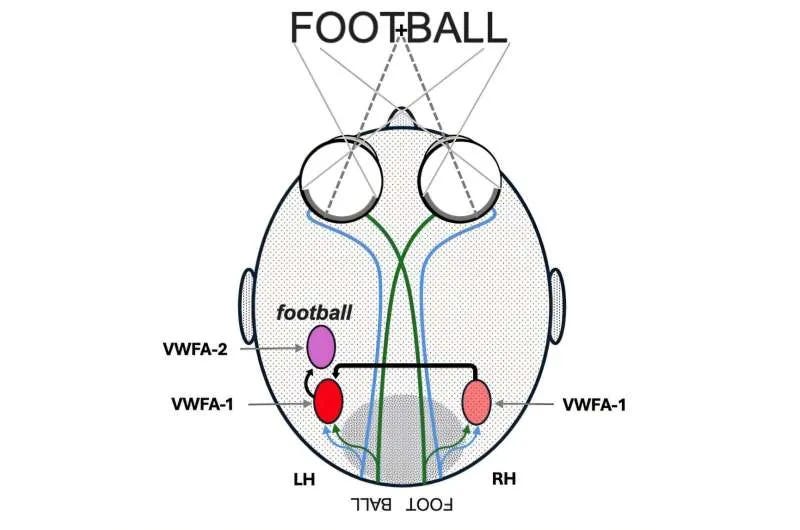
Before you even know what a written word means, your brain is already playing a rapid-fire game of linguistic LEGO. Imagine catching a flash of the word football on a screen. Before you even register its meaning (‘a game’ or ‘a ball’), your brain may have already parsed it into foot + ball. A clever new experiment used red-and-blue anaglyph glasses and split-second word flashes to probe this. It found that real compound words (like football) are recognized much faster than lookalikes (like shamrock), suggesting our eyes and brain latch onto word form almost instantly.
Why ‘football’ beats ‘shamrock’ when your brain is dismantling every word at lightning speed (Phys.org)
de Almeida, Antal, & Salehi. 2026. Early morpho-orthographic and semantic effects in word recognition: Evidence from a foveal-splitting dichoptic paradigm with anaglyphs. Journal of Experimental Psychology: Learning, Memory, & Cognition 52(7): 1108–1132. DOI: https://doi.org/10.1037/xlm0001533.
📃 This Week’s Reads
Interesting articles I’ve come across this week.
I’ve been social media acquaintances with Michelle Bruni since the early days of shortform video, when her child was just weeks old, and I think she’s a great exemplar for parents who want to give their kids fluency in another language:
Why English isn’t degenerating:
Despite all the likes, literallys and dropped g’s, English isn’t decaying before our eyes (The Conversation)
That article also touches on Valerie Fridland’s new book, Why we talk funny: The real story behind our accents (Amazon | Bookshop).
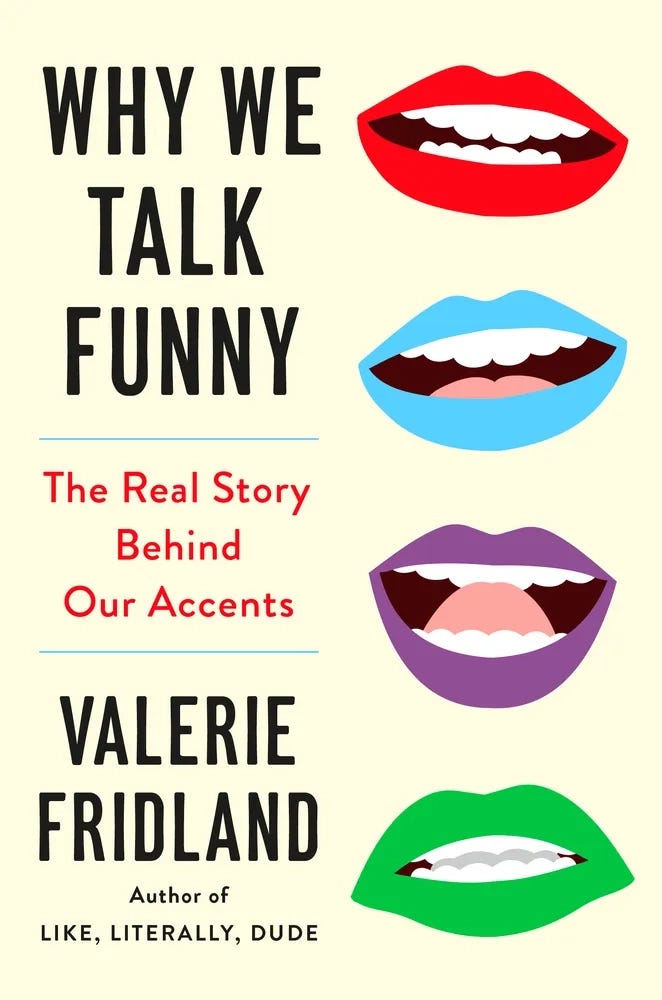
You can also read an excerpt from the book in the Linguistic Discovery newsletter!
Baby, talk to me: How children get their accents

ℹ️ Today we’ve got a special guest post from sociolinguist Valerie Fridland, Ph.D., who’s giving us a sneak peek at her new book, Why we talk funny: The real story behind our accents (Amazon | Bookshop)! I’m really happy to see this book come into existence, because there are surprisingly few books on sociolinguistics for popular audiences, even though the field has some of the most—and most important—things to teach the general public about language. Dr. Fridland is also the author of
Other articles from this week:
The etymology of hooker (Oxford University Press Blog)
What is a lexicon? Its meaning is used a little differently depending on context (Babbel)
Delve into diacritics: The accent marks that guide pronunciation (Rosetta Stone)
How old is Haha? The sound of medieval laughter (Incertus)
📚 Books & Media
New (and old) books and media touching on language and linguistics.
Is baby talk bad?
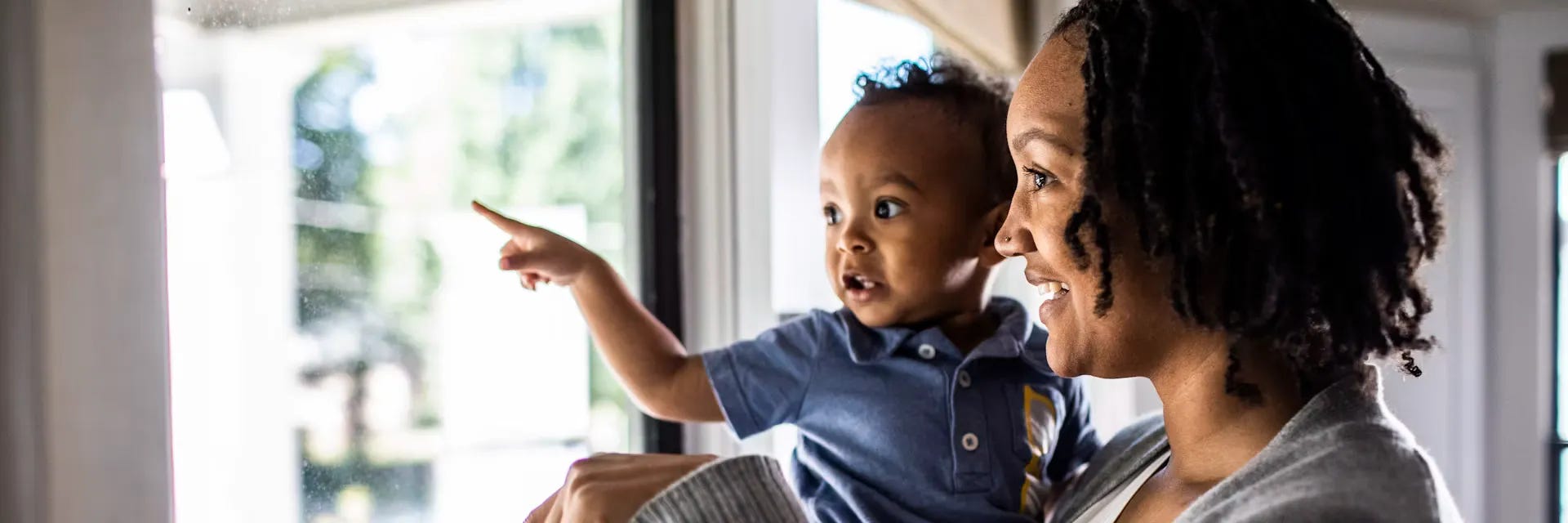
Many parents have heard the warning: Don’t use baby talk with babies and toddlers. Instead, caregivers are often encouraged to speak properly and use adultlike language, out of concern that simplified speech could confuse children or delay language development.
But research in child language acquisition actually suggests the opposite is true! Dr. Karen Stollznow explains why in this article for The Conversation:
Is baby talk bad? Why ‘parentese’ actually helps babies learn language (The Conversation)
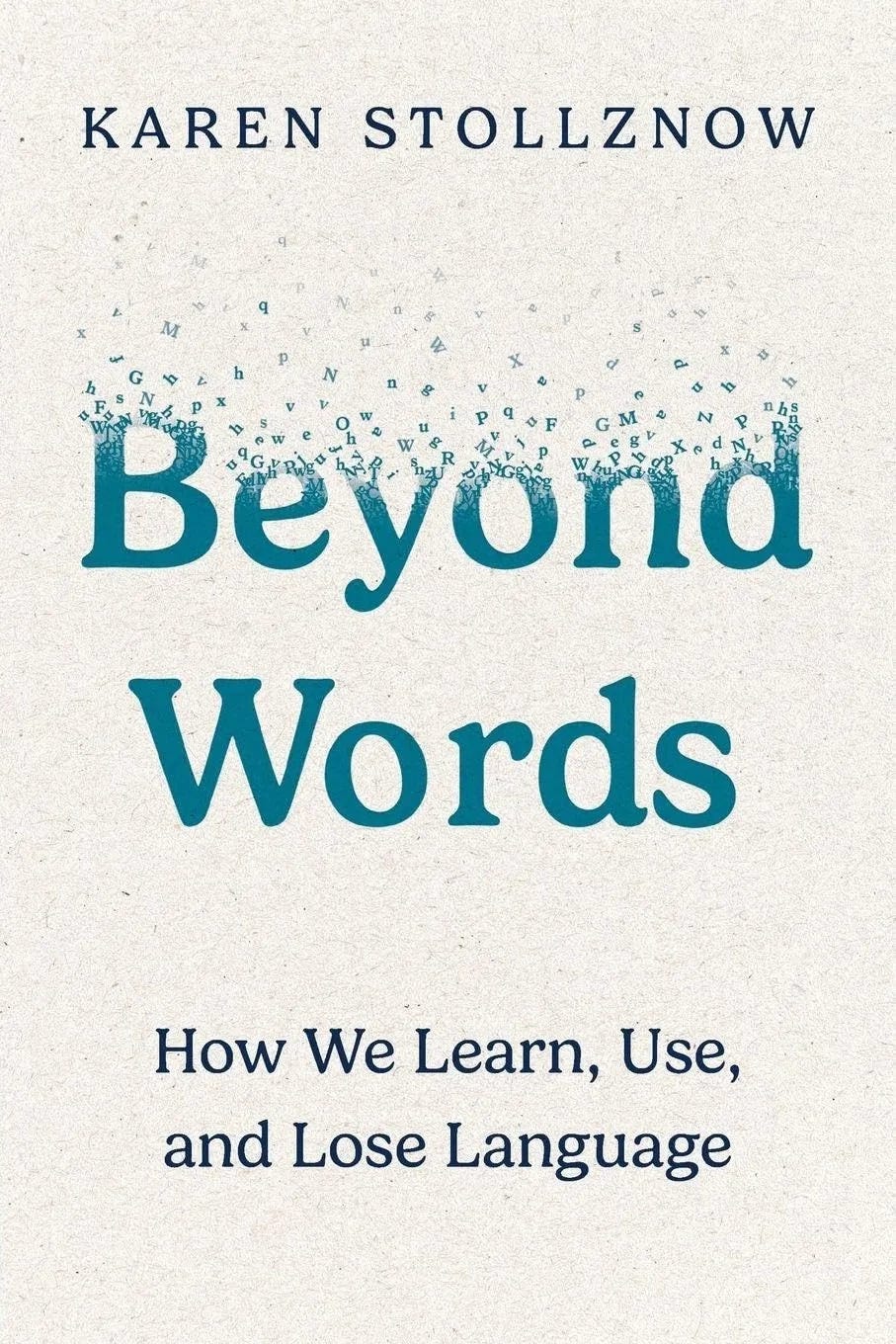
That article discusses some of the ideas from Dr. Stollznow’s new book, Beyond words: How we learn, use, and lose language, which I’m excited to see because there are very few books about first language acquisition out there for a general audience!
I also have an entire series of articles about baby talk if you want to learn more!
👶 Series: The science of baby talk
Part 2: What’s the point of baby talk?
Part 4: Do all cultures use baby talk?
Part 7: What really matters when talking to your child [forthcoming]
The writing revolution: Cuneiform to the internet
I just learned that a second edition of The writing revolution: Cuneiform to the internet was released last year, and I immediately procured a copy because I think this is the best history of writing for a general audience out there. Excited to see what’s new in this version!


🗃️ Resources
Maps, databases, lists, etc. on language and linguistics.
The Atlas of Endangered Alphabets
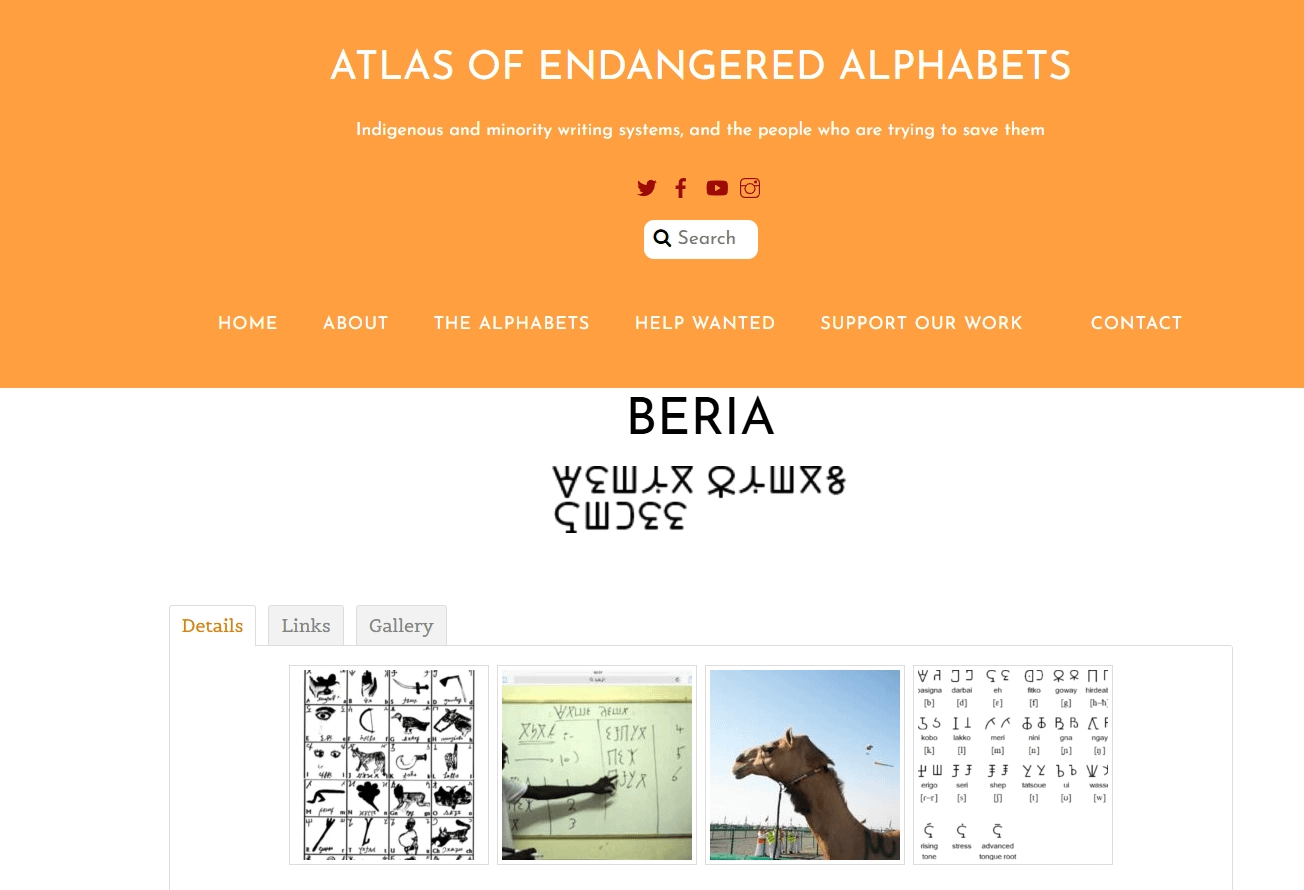
The online Atlas of Endangered Alphabets is a beautiful testament to many endangered writing systems all over the world.
The atlas has photo galleries and informational articles to explore for each endangered writing system.
👋🏼 Till next week!
📚 The Amazon and Bookshop links on this page are affiliate links, which means that I earn a small commission from Amazon for purchases made through them (at no extra cost to you).
If you’d like to support Linguistic Discovery, purchasing through these links is a great way to do so! I greatly appreciate your support!
Good choice of lookalike there. Shamrock looks like it should come apart into sham + rock, but there's no compound under it: it's a single borrowing from Irish seamróg, a diminutive of seamair, clover, so 'little clover'. The structure the eye reaches for was never in the word, which is presumably what makes it such a clean control against a real compound like football.